Introduction
Remember when your grandmother said olive oil was good for you? Turns out she was underselling it by about 70%.
A 2025 meta-analysis found something remarkable. People with existing heart disease who followed the Mediterranean diet closely had a 73% lower risk of dying from any cause compared to those who didn’t. Nearly three out of four fewer deaths. The results were so compelling that Italy’s health ministry immediately folded them into national guidelines. And we’re not talking about an expensive supplement or a complicated protocol — we’re talking about olive oil, fish, vegetables, and beans.
What the Research Says
The anchor study comes from Volpe et al., published in Nutrition in 2025 (Nutrition, 2025). The team pooled data from 19 studies covering more than 91,000 participants — four randomized controlled trials and 15 observational studies.
All-cause mortality dropped 73% (relative risk 0.27, 95% CI 0.13–0.55) among people with cardiovascular disease who adhered closely to the Mediterranean diet. The confidence interval tells us the true effect likely falls between a 45% and 87% reduction — still massive even at the conservative end.
Major cardiovascular events fell 56% (relative risk 0.44, 95% CI 0.20–0.94). Heart attacks, strokes, and cardiovascular deaths were nearly cut in half.
19 studies, 91,000+ participants. Close Mediterranean diet adherence associated with 73% lower all-cause mortality in CVD patients. Confidence interval: 45–87% reduction.
Volpe R, et al. Nutrition. 2025. DOI: 10.1016/j.nut.2025.113053A separate 2024 meta-analysis focused on older adults found a 23% reduction in all-cause mortality and a 27% reduction in cardiovascular death (Nutrients, 2024). More conservative, but still significant.
It is worth noting limitations. Most studies relied on self-reported dietary data. Observational studies show association, not causation — people eating Mediterranean-style may also exercise more or smoke less. The four randomized trials help address this, but they are a minority of the evidence base. Still, when 19 studies point in the same direction, it is hard to dismiss.
The landmark PREDIMED trial — the first large randomized study on this topic — found a 30% reduction in cardiovascular events among high-risk participants. The 2025 Volpe analysis suggests real-world benefits may be even larger.
Why It Matters for You
Food doesn’t just fill your stomach — it sends chemical signals to every cell in your body. The Mediterranean diet happens to send very good ones.
Polyphenols protect your blood vessels. Extra virgin olive oil contains over 30 polyphenol compounds including oleocanthal, which works the same way as ibuprofen in the body — a natural anti-inflammatory. These molecules improve endothelial function, the thin cell layer lining every blood vessel. A healthy endothelium produces nitric oxide that keeps arteries relaxed and open.
Chronic inflammation dials down. Omega-3 fatty acids in fatty fish directly compete with pro-inflammatory omega-6 fats in your cell membranes. Polyphenols in olive oil and colorful vegetables suppress inflammatory molecules like TNF-alpha and IL-6.
Your gut microbiome gets a makeover. The diet is loaded with fiber that gut bacteria ferment into short-chain fatty acids — particularly butyrate — which have direct anti-inflammatory effects on your cardiovascular system and strengthen the gut barrier.
Practical Takeaways
-
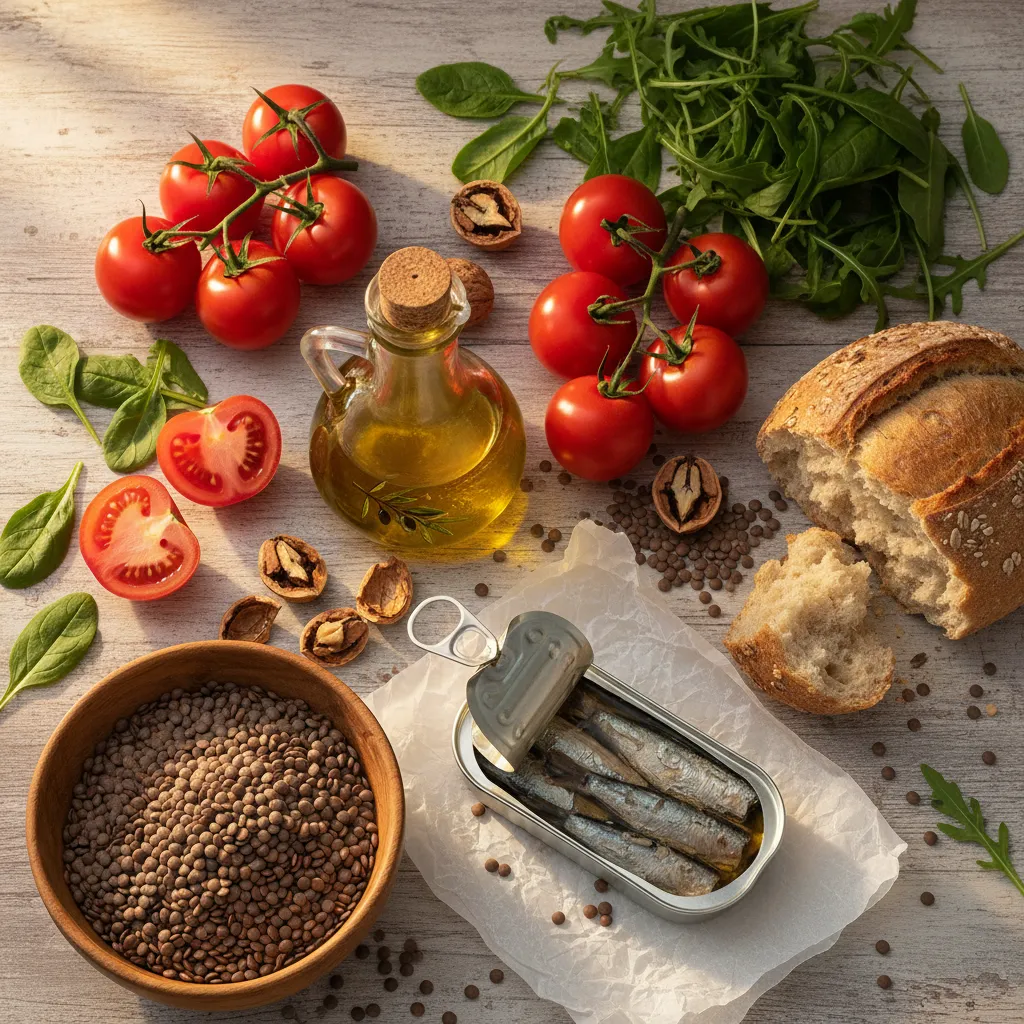
Extra virgin olive oil — 4 tablespoons daily. Not “light olive oil” — extra virgin, cold-pressed to retain full polyphenol content. Use it for cooking, drizzling, and finishing. This is the cornerstone of the diet.
-
Fatty fish — 2 to 3 servings per week. Salmon, sardines, mackerel, anchovies. Canned sardines are about $2 a tin and among the most nutrient-dense foods on the planet. Eat the bones — they are soft, calcium-rich, and safe.
-
Nuts — 1 ounce daily. Walnuts, almonds, hazelnuts. The PREDIMED trial gave participants 30g of mixed nuts daily and saw significant cardiovascular benefits. Walnuts are the only common nut with meaningful plant-based omega-3.
-
Legumes — at least 3 servings per week. Lentils, chickpeas, white beans. One cup of cooked lentils has about 15g of fiber — more than half your daily target.
-
Colorful vegetables — at least 4 servings daily. Each color represents different protective compounds. Frozen vegetables count and are often more affordable.
5 easy swaps to start this week:
- Swap butter for extra virgin olive oil on everything
- Swap white rice for lentils or chickpeas twice this week
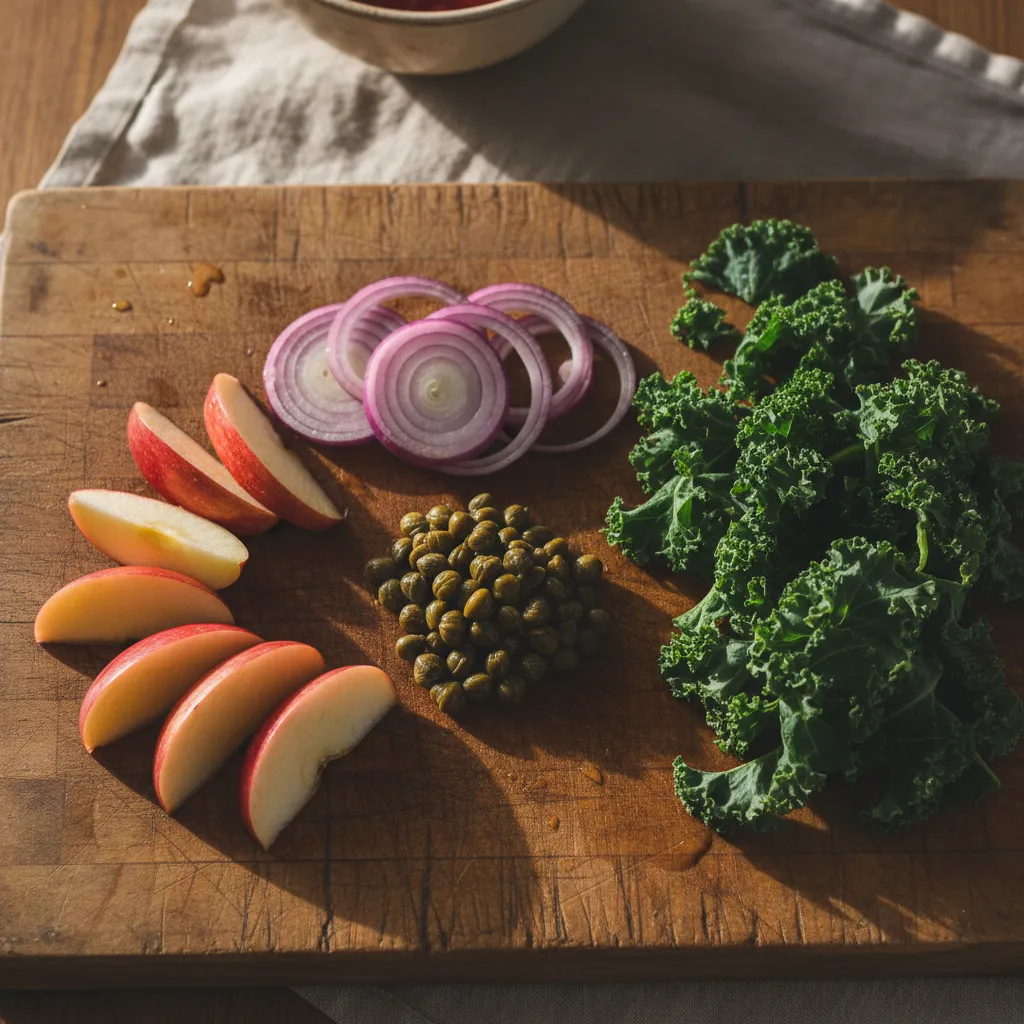
- Swap afternoon snacks for a handful of walnuts and an apple
- Swap one red meat meal for canned sardines on whole-grain toast
- Swap your cooking oil to extra virgin olive oil
A 2024 analysis showed that even moderate adherence — scoring just 6 out of 9 on standard scales — was associated with significant mortality benefits. You do not need to move to Crete. You just need to nudge your eating pattern in the right direction.
Frequently Asked Questions
Is the Mediterranean diet expensive?
No. The Mediterranean diet scored lowest on cost among all major dietary patterns in a 2024 cost-effectiveness analysis. Beans, lentils, canned tomatoes, frozen vegetables, and seasonal produce are among the cheapest grocery items. Good extra virgin olive oil costs $12–20 for a bottle that lasts several weeks.
Does it work for people without heart disease?
Yes, though the effect size is smaller. The 2025 Volpe study focused on secondary prevention (existing CVD). For healthy people, a 2024 meta-analysis found a 23% reduction in all-cause mortality — meaningful, but less dramatic than the 73% figure.
How quickly do benefits appear?
The PREDIMED trial saw significant cardiovascular event reductions within 5 years. Inflammation markers can improve within weeks of dietary change. Long-term benefit accumulates over years.
References
- Nutrition. Efficacy of Mediterranean Diet for cardiovascular prevention. 2025. DOI: 10.1016/j.nut.2025.113053
- Nutrition Reviews. 2025 National Guidelines on the Mediterranean Diet. 2026. PMID: 41493438
- NEJM. Primary Prevention of Cardiovascular Disease with a Mediterranean Diet. 2022 (republished). Link
- Nutrients. Mediterranean Diet in Older Adults: A Systematic Review and Meta-Analysis. 2024. PMID: 39599734
The Bottom Line
A 2025 meta-analysis of over 91,000 people found that close adherence to the Mediterranean diet cut all-cause mortality by 73% in heart disease patients — results compelling enough for Italy to adopt it as national health policy. These benefits rival or exceed many cardiovascular medications, with no side effects and no prescription required. Start with olive oil this week. Add a can of sardines. Toss some lentils into your soup. Your arteries will respond to direction, not perfection.